WordPress vs Headless CMS: Which Should You Choose?
Comparing traditional WordPress with headless options like Sanity, Contentful, and Payload — performance, DX, and cost.
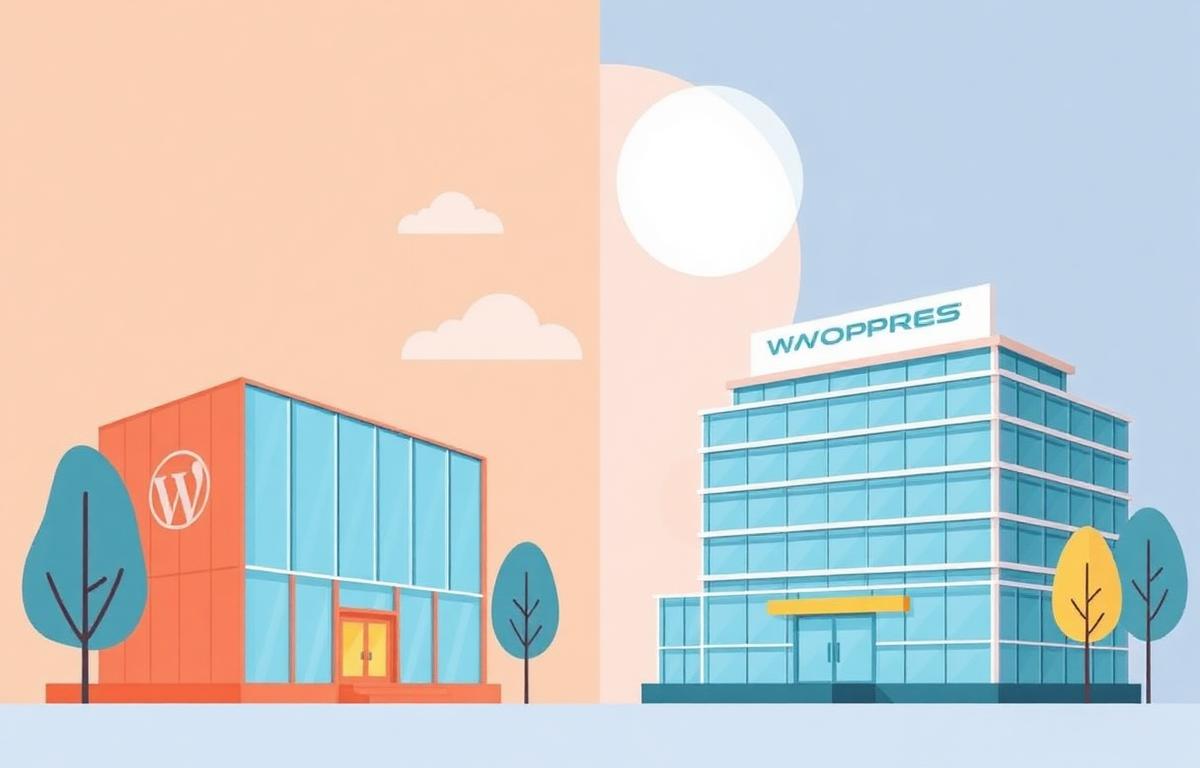
The CMS decision shapes your project for years. WordPress still powers 43% of the web, but headless options have matured into legitimate alternatives. Here's how to choose.
WordPress Strengths
Massive ecosystem of plugins and themes, familiar to most marketing teams, fast time to launch, deep editorial features (revisions, scheduling, multi-user).
WordPress Weaknesses
Performance varies wildly by theme and plugin stack. Security requires constant attention. Modern front-end frameworks aren't first-class citizens.
Headless CMS Strengths
You pick the front-end framework (Next.js, Astro, TanStack Start). Better performance by default. Cleaner separation of content and presentation. Future-proof — same content can power web, mobile, and IoT.
Headless CMS Weaknesses
More upfront engineering. Editors lose live preview by default (though most tools now offer it). Higher subscription costs. Less plug-and-play functionality.
When to Choose WordPress
Content-heavy site, non-technical team, tight budget, need third-party plugins for forms/membership/e-commerce.
When to Choose Headless
Performance is critical, you need a custom front-end, multiple channels consume the same content, your team is comfortable with modern dev workflows.
My Default
For most marketing sites in 2026, I recommend a headless CMS like Sanity or Payload paired with Next.js. The performance, DX, and longevity wins outweigh the setup cost.